
The results of CRS4’s collaboration with the Italian biobanking community will be presented in Naples on April 8, during the final event of the Strengthening BBMRI.it project, held in conjunction with the 2026 National Biobanks Day.
CRS4 will take part in the event alongside the other members of the Italian node (BBMRI.it) of the European biobanking infrastructure BBMRI-ERIC. The meeting will provide an opportunity to discuss the future development of the infrastructure and will focus on the presentation of the final results of the PNRR project Strengthening BBMRI.it, which has contributed to advancing the Italian biobank network, identified by the Italian Ministry of University and Research as a priority research infrastructure within the National Research Infrastructure Plan 2021–2027.
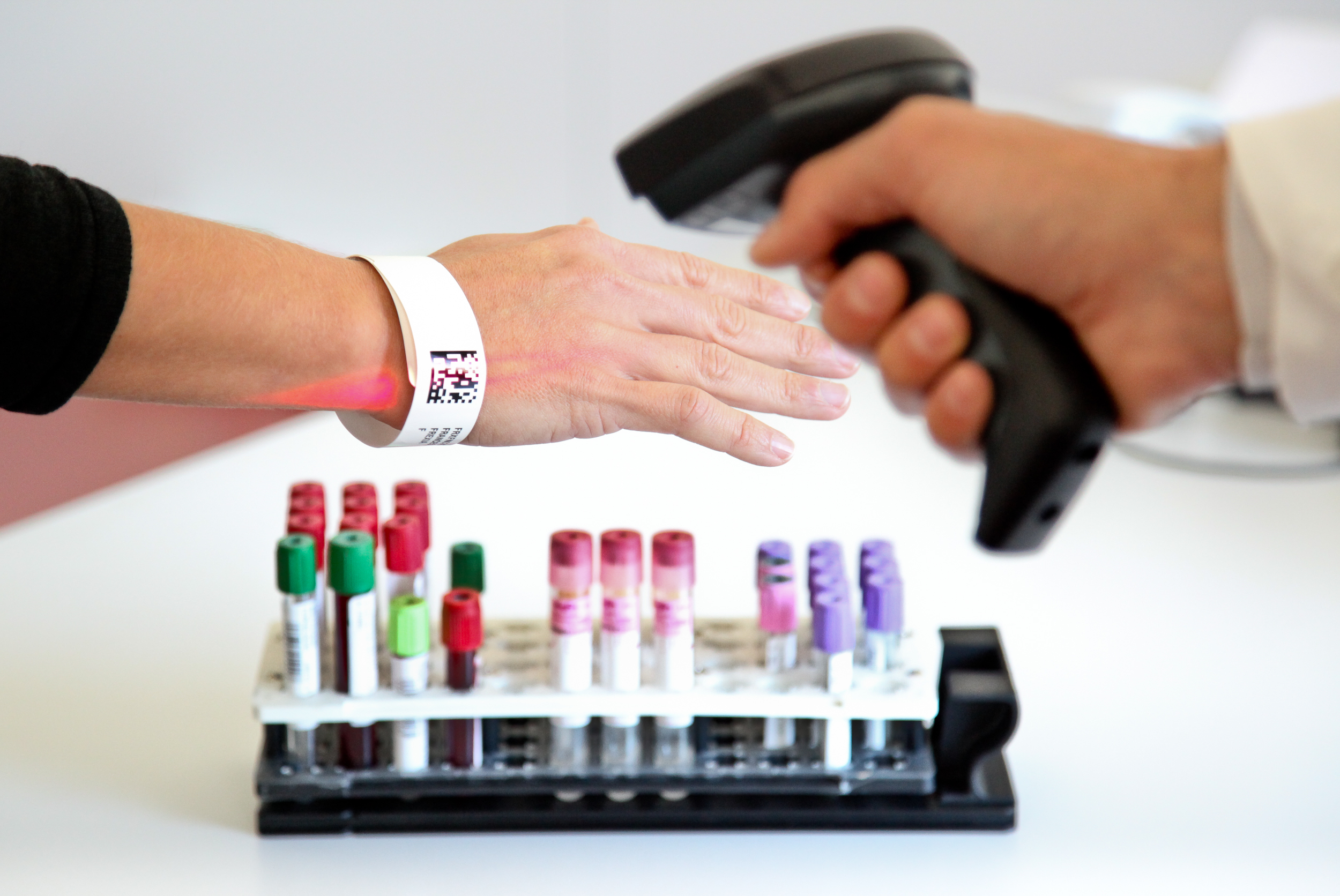
Biobanks, which collect, store and distribute biological samples and associated data, play a key role in both scientific research and healthcare, supporting the development of innovative and personalized therapeutic approaches. Their management requires the integration of scientific, technological, ethical and organizational expertise, as well as continuous research and innovation efforts.
In this context, CRS4’s Visual and Data-intensive Computing (ViDiC) sector has been contributing for years to the development of BBMRI-ERIC and its Italian node, participating in international research projects and in the design of the IT infrastructure for managing and sharing biomedical data.
Within the Strengthening BBMRI.it project, the Italian node has strengthened the infrastructure across multiple dimensions, including technological capacity, quality management, and ethical and social aspects. It has also expanded its network through strategic collaborations, such as the Italian Network of Core Facilities (NICo), and supported the development of innovative biobanks focused, among others, on organoids, microbiome, and stem cells.
CRS4’s contribution, carried out within the ViDiC sector, involved Giovanni Delussu, Francesca Frexia, Simone Leo, Cecilia Mascia, Vittorio Meloni, Marco Enrico Piras, Luca Pireddu and Alessandro Sulis, and focused in particular on:
- specialized training for the BBMRI.it data team, with a focus on the application of FAIR principles to research data and software;
- the definition of methods to support the integration of consent preferences within the European research infrastructure.
The results presented in Naples stem from research activities conducted within the Training BBMRI.it and BBMRI.it Consent projects (under the PNRR Strengthening BBMRI.it initiative), ToPMa (Intervento RP_CRP_077, funded through FSC 2014–2020 – Pact for the Development of the Sardinia Region) and XDATA (Regional Law 20/2015, Autonomous Region of Sardinia).
More information and the event programme are available on the official BBMRI.it website:
https://www.bbmri.it/giornata-nazionale-bbmri-it-evento-finale-del-progetto-pnrr-strengthening-bbmri-it/